


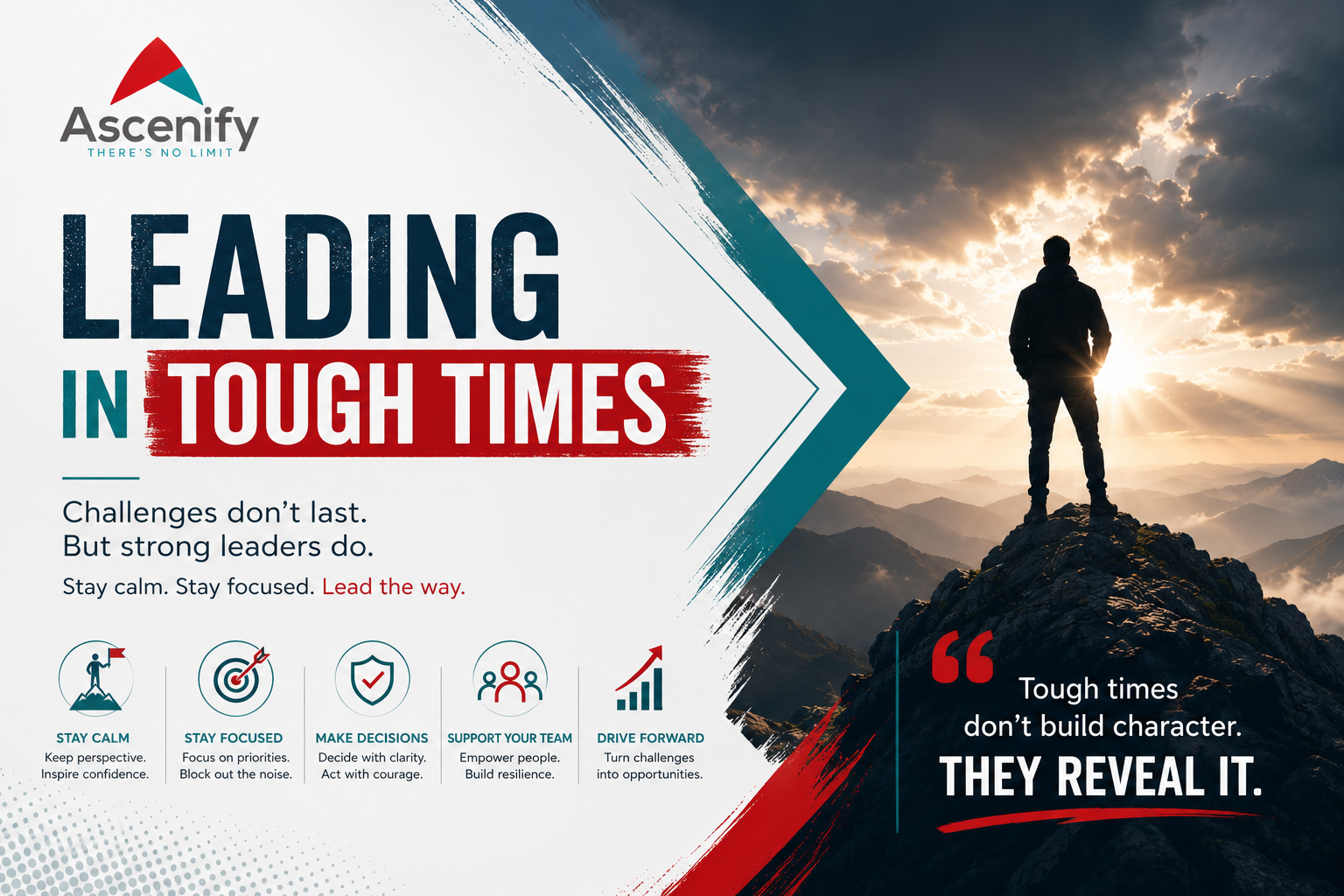
“Summiting Success: Leadership Lessons Learned from my Mountain Climbing Expeditions”
In 2021 I embarked on a on a risky yet exciting adventure expedition with three ladies I had only met once previously. To attempt to summit Peak Margherita aka Mountain Rwenzori. Attempting to summit the Beast, Mountain of the moon, the rain maker, as the different hikers call the highest mountain in Uganda was an act of bravery, foolishness or resilience. You can decide.
I was thrilled albeit nervous because the Rwenzoris are one of just 3 places in Africa with permanent glaciers; meaning one would have to tackle moving on ice and snow after five long days of sweat, some tears, fatigue, and hunger to reach the summit.
Leadership can be observed in various contexts. In a home, politics, business, community or sports and can be demonstrated by individuals with high or low levels of formal education. It doesn’t matter. What matters is leading with exceptional qualities and achieving remarkable results.
We had been briefed by previous hikers on what to expect on each day, the do and don’ts but still the evening before the great hike, we held a brief meeting with the chief guide to lay down the ground rules.
With confidence and without mincing words, he looked the three of us in the eyes simultaneously and said “Welcome to Rwenzori. I will be your main guide in addition to the other guides you will have. The Rwenzori is not an easy mountain to summit but I will take you to the peak. Incase anything changes, my word is final. If circumstances change that require swift descending, you will comply with no argument. We choose life over any accolades on the mountain. His communication style reflected that of someone in charge. Calm, firm and authoritative that left no doubt who was in charge despite us being the paying customers.
Once that was established, he took note of our expectations of the hike aside from the big goal of summiting. Over the 5 days of the hike, he took time to ensure we saw every beautiful and unique thing the mountain had to offer. Explaining the natural uses of the plants and herbs, the birds and monkeys as well as acting as our probono photographer. Amidst this, there were lots of stories of previous hikers who had reached the peak, one of whom was an amputee. This gave us the courage and hope we needed to continue with the treacherous and tough trek.
4th day into the hike, “ladies, today we need to move a little faster as we need to get to the camp before dark. The path is rocky and slippery. The pace that day was set by him and he kept reechoing—we need to arrive before dark. The 4th Camp called Elena is the last camp before a hiker starts the summit push. Margherita the highest point in Uganda. We sure arrived at camp Elena by 7pm and hugged and rejoiced with our support crew comprised of the porters, chef who clapped as we reached the quadrangle of the camp.
As fate would have it, at the hour midnight just before the preparing to set off for the summit, the chief guide entered our cabin and broke the worst news any mountain climber would want to hear. We needed to descend. We couldn’t proceed with the hike. A measly 600m more above sea level and we would have been at the peak Margeherita. At our previous pace, he estimated a 20hour hike to reach margherita and descend back to camp Elena. The rocks on the trail from Elena camp to Margherita were filled with sleets of snowflakes from a continuous downpour a few hours previously. He recommended we don’t proceed. It was dangerous.
“No way” we said. We are too close. We’ve endured 4 gruesome days of bog, rocks, rain and now this? “
“You are close but not close enough. It is risky to attempt to proceed in bad weather. Remember I said at the onset, we choose life. It is not a successful excursion if we don’t make it out alive” he reminded us.
Despite our pleading and tears, he held firm. And a day later we embarked on our descent. Risky still as the rocks were still slippery and marred with snow.
He kept encouraging us. “The mountain is going nowhere. You can always come back and summit. Better than risk your lives and those of your crew.”
Well, like the say, almost doesn’t count! We didn’t summit but we learned many lessons. Almost two years later, with the dream of sitting at the highest point in Uganda, I joined another team of six dubbed Sure and Steady hikers and embarked on attempting to summit the Rwenzori again.
I found a well-organized team. With a team leader who kept the team vibrant with daily reminders to train. At some point he ensured we trained together twice a week for the team members to bond. Some had previously hiked to together the Wagagai peak of Mount Elgon. Through the joint walking activities, we discovered the strengths and weaknesses of each team member and this we used in final preparation for the great hike.
The youngest team member informed us of affordable shopping places for hiking gear and offered to shop or escort those who wanted to do it themselves.
One team member we called mother hen because of her meticulousness with checklists and ensuring we had all the nitty-gritty before the hike such as electrolytes, standard body warmers for summit day, snow goggles, first aid drugs and zip lock bags for small necessities among others.
Each team member opened up about where they needed support either on physical fitness or off trail issues.
Another member was the life of the party, an encourager albeit a last-minute person in terms of personal organization.
From the onset, the team leader was clear – Guys we all have to summit. Whatever we do we’ve got to summit. We need to pray against the weather too. We can’t afford to descend due to changed weather conditions after all the six months practice, we had put in.
Day 1 of the hike went smoothly with five guides for the seven of us and the lead guide introduced to us by the tour agency.
What I noticed on day 2, the guides were switched around for each of us after realizing who the fastest and slowest walkers were. The team naturally was split into three. The fast hikers, mediocre and slow hikers
The most experienced guide was allocated the slowest hiker. The guide was patient and kept using encouraging words to ensure the pace didn’t slow up. Once the guide discovered why the hiker was slow, which was fear of slipping and falling on the slippery parts of the trail, he kept pointing out the tough parts and providing alternatives for the hiker. He led by example and patience.
The team work off the trail was commendable. With fatigue and the uncomfortable cold conditions up the mountain, many a time one would fail to locate some items and quickly a team member would support with a pair of extra socks, hand gloves, toothpaste or snacks. We all had to summit. It meant lifting each other up when a particular day was harder for someone than another.
One very physically fit team member intentionally chose to hike slower and keep pace with me the slow hiker on a number of days. Without a doubt it was frustrating for them I believe but it gave me courage to keep moving and someone to talk to for the long hours on the trail.
Team support didn’t necessarily come from the team leader but because of the earlier team cohesion during training, it became much easier to connect during the tough hike.
4 days into the hike we were now ready though extremely exhausted for the last and as previous summiteers would say, the toughest day of the hike. Summit day! We had packed special clothes for summit. Charged phones to full, we embarked on the last 600m above sea level that had jinxed me the last time. Summit day was challenging. We were fatigued, sleepy and cold. Personally, my appetite had dropped and I was also hungry. It took me 26hrs from Elena camp to summit and back to Elena. The most amazing thing happened in these hours.
As I reflect upon this day, till today I take a bow at the team support of the guiding crew. It was through the support of guides until I and the team were safely back at rest camp after achieving one of the rarest milestones many dare dream of.
For such an activity, situational leaders arose at different times and the team designated team leader had to listen and take advice from a team member at certain points.
However, he never wavered from the vision or goal- We all had to summit. And all seven of us summited.
Excitement after summiting saw the team quickly lock in dates for another mountain climb. It’s true indeed. Achieving one goal triggers motivation to attempt a bigger goal.
While there may be myths or misconceptions surrounding leadership, such as the idea that leaders are born rather than made, or that leadership are synonymous with authority or power, I am of the view that everyone has leadership potential depending on the circumstances at play.
In both instances of hiking the Rwenzori, I learned numerous leadership lessons from a peer team leader and a technocrat leader dealing with novices.
By recognizing its importance in various aspects of life, individuals and organizations can cultivate effective leadership skills.
Leadership involves the ability to influence, inspire and guide others towards a common goal or vision. Effective leadership can have an intense impact on individuals, organizations and communities.
I have since observed and discovered the best way to see a natural leader is through team activities or during crisis moments. However, I sure also believe one can hone their leadership skills by partaking in such activities or community projects. Leadership skills can also be exposed through learning to identify when and how one can provide good leadership and build on the already innate skill.
Lynda Nabayiinda Were is a Certified Transformational Coach from Coach Masters Academy Singapore and Managing Partner with Ascenify Uganda Limited a Management and Consultancy firm.

