


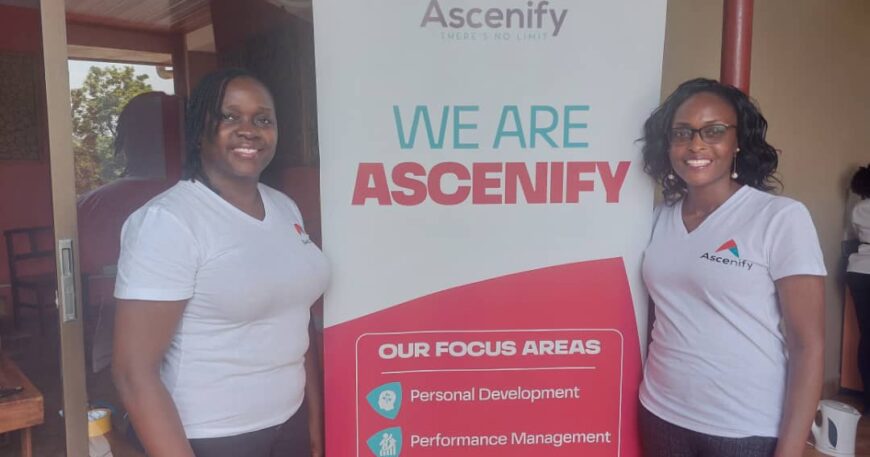
In the dynamic world of business, the importance of strong, cohesive teams cannot be overstated. At Ascenify, we often draw a parallel between organizational teams and families. Just like families, teams thrive on trust, communication, shared goals, and mutual support. By fostering a family-like culture within your organization, you can create a work environment that not only drives success but also nurtures the well-being and growth of every team member.
1. Trust: The Foundation of Success
In families, trust is the bedrock of relationships. It’s no different in organizational teams. Trust allows team members to rely on one another, collaborate effectively, and share ideas without fear of judgment. Building this trust requires time, consistency, and transparency. Leaders play a crucial role in setting the tone—demonstrating integrity, keeping promises, and creating a safe space for open communication. When trust is established, teams become more resilient, adaptable, and capable of achieving collective goals.
2. Communication: The Lifeline of Relationships
Effective communication is vital in both families and teams. It’s the thread that weaves together different personalities, perspectives, and skills into a cohesive unit. In a family, open dialogue fosters understanding and strengthens bonds. Similarly, in a team, clear, honest, and respectful communication ensures that everyone is on the same page, reducing misunderstandings and conflicts.
At Ascenify, we emphasize the importance of active listening, empathetic communication, and regular feedback. Encouraging these practices within your team can lead to better collaboration, problem-solving, and overall productivity.
3. Shared Goals: The Glue That Binds
Families often have shared goals—whether it’s planning a vacation or saving for a child’s education. These common objectives bring family members together and give them a sense of purpose. In organizational teams, shared goals are equally important. They provide direction, motivate members to work together, and align individual efforts with the company’s broader mission.
Setting clear, achievable goals that resonate with the entire team is key to fostering unity and driving collective success. When team members understand how their contributions fit into the bigger picture, they are more likely to be engaged and committed.
4. Support and Empathy: The Pillars of a Strong Team
In a family, support is unconditional. Family members look out for one another, offering help, encouragement, and empathy during tough times. This same level of support and empathy is essential in a high-performing team.
Leaders should cultivate a culture where team members feel valued and supported, not just as employees, but as individuals. This involves recognizing personal and professional challenges, celebrating successes, and providing opportunities for growth. A supportive environment leads to higher job satisfaction, lower turnover, and a more engaged workforce.
5. Conflict Resolution: Handling Differences with Care
No family is without its disagreements, and the same goes for teams. Conflicts are natural, but how they are handled makes all the difference. In a healthy family, conflicts are addressed with care, patience, and a focus on resolution rather than blame.
Similarly, in teams, conflicts should be managed constructively. Encourage open discussions where differing viewpoints are respected, and solutions are sought collaboratively. At Ascenify, we offer training in conflict resolution that helps teams navigate disagreements in a way that strengthens relationships rather than tearing them apart.
6. Celebrating Milestones: Strengthening Bonds
Families come together to celebrate birthdays, anniversaries, and achievements, reinforcing their bonds and creating lasting memories. In the workplace, celebrating team milestones whether it’s completing a project, reaching a sales target, or simply acknowledging hard work plays a similar role. These celebrations boost morale, reinforce a positive culture, and remind everyone of the value of their contributions.
7. Resilience: Weathering Storms Together
Just as families face challenges and hardships, so do teams. The ability to weather these storms together is what sets successful teams apart. Resilience in a team comes from a strong foundation of trust, communication, support, and shared goals. By cultivating these qualities, leaders can build teams that not only survive challenges but emerge stronger from them.
Building a Family-Like Culture for LongTerm Success
At Ascenify, we believe that by treating organizational teams like families, businesses can create a work environment where everyone feels valued, supported, and motivated to contribute their best. This approach leads to stronger relationships, higher productivity, and ultimately, greater success for the entire organization.
Investing in team development, fostering a family-like culture, and prioritizing the well-being of your people are not just strategies for success they are essential for creating a workplace where everyone can thrive.
Ready to strengthen your organizational teams? Contact Ascenify Uganda today to learn more about our training and consultancy services designed to build strong, cohesive teams that drive long-term success.

