


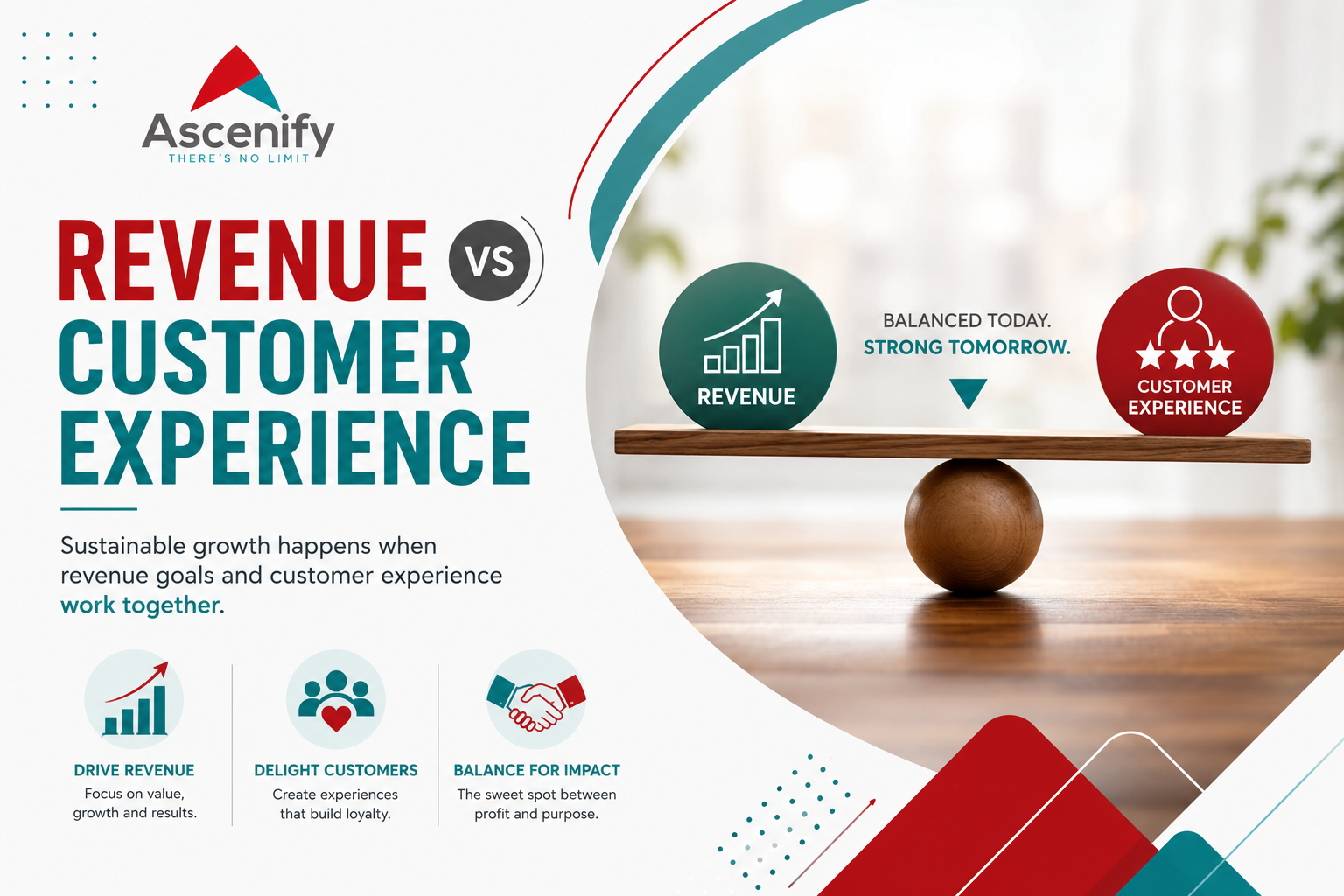
What matters more: revenue targets or truly satisfied customers?
For many companies, the answer is clear in boardrooms but rarely in practice.
The common phrase in many boardrooms today is “the bottom line.”
But what does that really mean? Revenue. Profit margins. Shareholder returns. Assured bonuses.
And yet, we must ask: what is the true desired end in mind? More revenue or happy, satisfied customers?
When companies focus on revenue first and customers last, they fall into a chicken-and-egg dilemma. Which comes first? Can you truly sustain one without the other?
I recall a heated discussion with a line manager over a decision that would clearly affect customers. I argued that we could avoid the eventual complaints by simply being transparent. His response: “I have a business to run.”
The implication was clear: it was acceptable to conceal information, let the Customer Service team “handle it later,” as long as the company’s revenue was assured. That moment has stayed with me. I had admired this manager’s leadership until then.
It was a stark reminder that in many organizations, “customer first” are just words for speeches and glossy brochures. When shareholder pressure rises, it quickly becomes “revenue first.” After all, there are salaries and bills to be paid. Fair enough.
But what about your and the company the values? What about the reason an organization exists?
There’s a school of thought and proven evidence that focusing on the customer through quality products, clear communication, and genuine care leads to stronger long-term growth. In contrast, chasing quick wins to make the balance sheet shine may bring faster revenues, but it erodes the brand, demoralizes employees, and raises the cost of retention.
Just look at companies like Apple or Amazon. Their success wasn’t built on sales gimmicks but on obsessively focusing on customers creating ripple effects of loyalty, referrals, and sustainable growth. I am sure around each one of you is a company that fits the profile of one you would gladly recommend. It could be your grocery store, restaurant, airline, personal dresser, car garage or your children’s school.
And the signs that something is wrong are everywhere, if you pay attention:
- Dusty gates and dead flowers at the reception.
- Confusing signage.
- Wrong or late deliveries
- Managers hiding behind glass doors and not interfacing with customers.
- Frontline staff hiding branded uniforms under jackets.
- Employees who no longer speak with pride about where they work.
- Customers who feel they’re just a number, not a relationship.
These and more are all ultimate moments of truth; Iindicators that culture and customer care are slipping. Customer care and experience start from within.
As we gear up for International Customer Service Week (October 6th to 10th), themed Mission Possible, let’s reflect. Placing the customer first is not just rhetoric; it is the most powerful long-term growth strategy any organization can adopt.
Imagine if every company gave its Customer Experience team the same priority as all the other functions. Imagine if “customer first” was more than a slogan and was the operating principle.
It’s not only possible. It can be the mission.
The challenge many organizations are still figuring out is:
How do you balance the need for short-term sales with long-term customer experience? Drop your perspective below. Let’s share.

